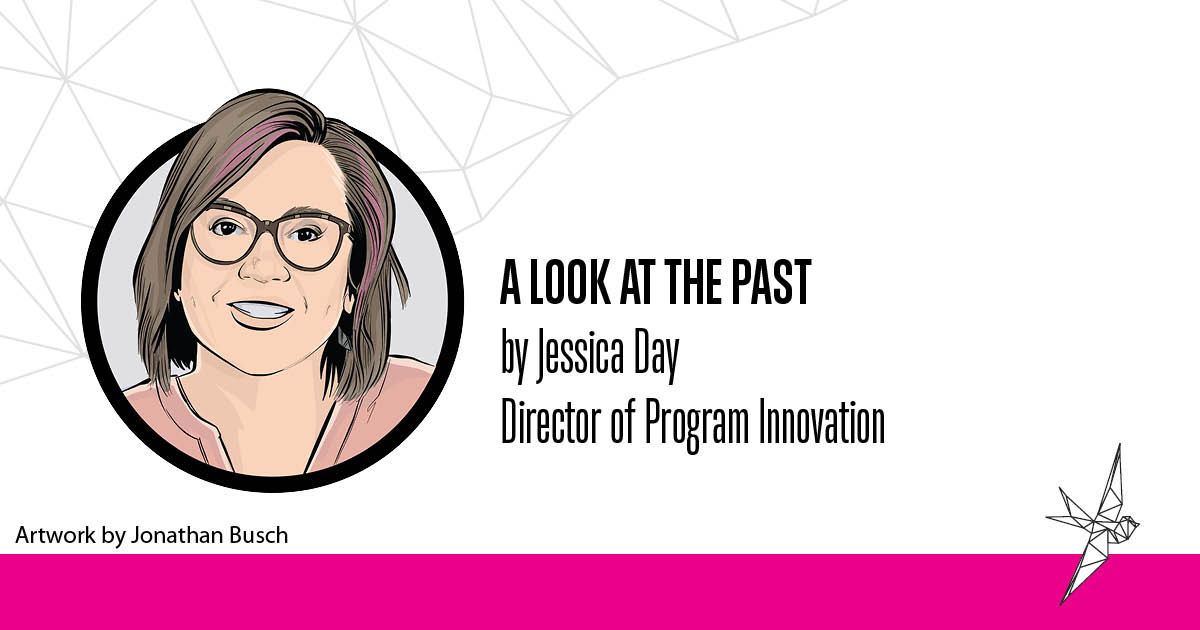
Jessica Day, Director of Program Innovation, has been working with vulnerable populations since obtaining her BA in Psychology from the University of Alberta in 2004. Jessica spent the early days…
read more
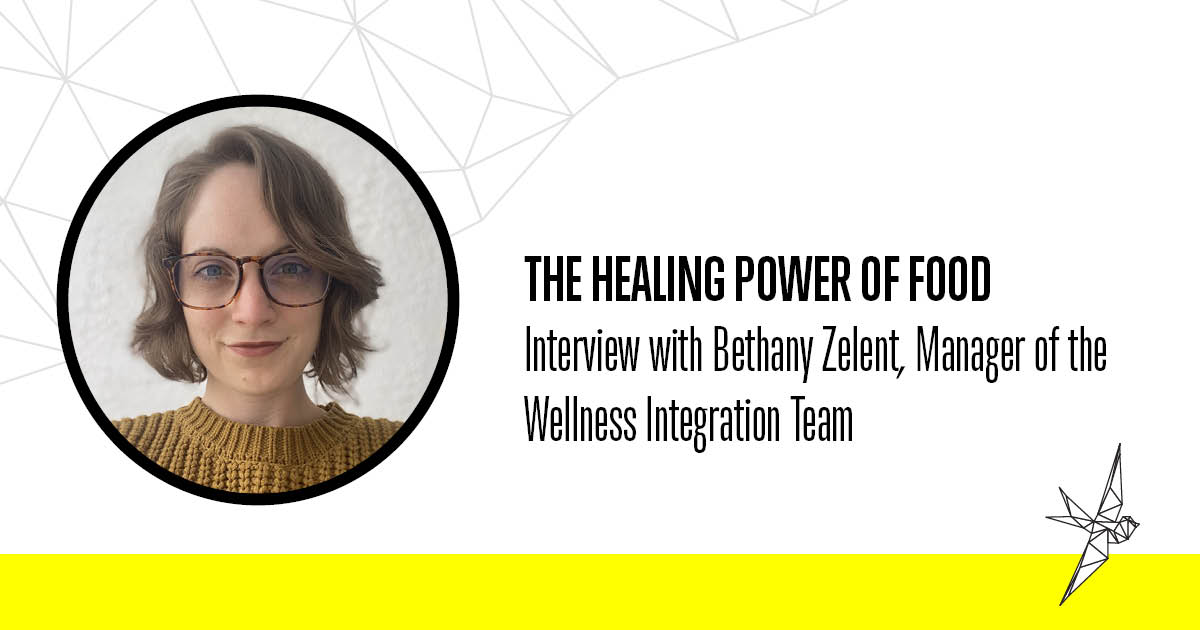
I’m Bethany Zelent, Manager of the Wellness Integration Team at YESS. I support a multi-disciplinary mental health team to model, teach, and empower inner stabilization through co-regulation practices to foster holistic emotional, physical, mental, and cultural wellbeing. Providing mental health supports in-house at YESS reduces barriers to young people accessing these services by ensuring they have the help they need when they need it. Accessing mental health supports in the community requires planning, scheduling, transportation, knowledge of resources, and advocacy; but when a young person is in crisis, they need presence, support, and validation. Providing in-house mental health supports literally meets young people where they’re at, as they develop the skills they need to navigate community resources.
In collaboration with subject matter experts and professional consultants, YESS has meticulously designed a comprehensive Holistic Assessment to address the foundations of wellness in young people, ensuring both their basic and existential needs are met and barriers are reduced. The Holistic Assessment, in consultation with Indigenous leaders and Knowledge Keepers, incorporates the elements of the Medicine Wheel—physical, emotional, mental, and spiritual/cultural wellness. Over the last six months, I have been fortunate to have the opportunity to collaborate with a team of experts in the creation and implementation of the Holistic Assessment.
Food transcends all 4 categories of the Holistic Assessment, as an integral aspect of physical, emotional, mental, and spiritual /cultural wellbeing:
The monthly Cultural Dinner is my personal favourite example of the holistic impact of food on the wellbeing of young people. Each month, two different cultural dinners are prepared in program so young people can observe, participate, and enjoy meals from cultures around the world. Tiffany, our incredible Kitchen Coordinator, informally collects recipes from young people and staff alike to alternate the different cultures and ensure equitable representation. Young people who are newcomers to Canada are able to enjoy familiar food from their home country, fostering a sense of comfort, connection to their culture, and emotional wellbeing. Tiffany has been guided by young people themselves to recreate family recipes, showing ongoing learning as we all continue to develop our cooking skills and relationship with food. For young people disconnected from their culture, whether from a diaspora or urbanization, Tiffany is able to recreate cultural meals to bridge their cultural connection through this great equalizer: food. The process of creating the food includes clean-up and savouring the meal, so young people are taken through the entire process from individual ingredients to a full meal with leftovers they can continue to enjoy. Tiffany has broughtEthopian, Congolese, Indigenous, Indian, and many more cultural dishes to the table of young people to learn and share from one another.
Our goal at YESS is for young people accessing our services to develop the skills they need to thrive in in[ter]dependence (in[ter]dependence in the development of young people is a balance of self-sufficiency and reliance on supportive relationships. By developing a healthy in[ter]dependence, young people learn to be self-sufficient in their life and benefit from the support and collaboration of others to overcome challenges and enhance their wellbeing.) At YESS, we ensure young people have the food they need to be well and also provide the guidance for young people to learn to practice independent meal preparation, budget effectively for groceries, and plan nutritious meals. These skills promote autonomy and contributes to their overall wellbeing and long-term stability. To ensure young people have the personalized guidance they deserve, YESS benefits from the expertise and compassion of our Kitchen Coordinator, Tiffany Sorensen. Tiffany skillfully blends her experience as a Red Seal chef with her education in food trauma recovery and body positivity to offer 1:1 sessions with young people accessing YESS services or after they have achieved in[ter]dependence. Tiffany offers comprehensive services focused on guided skill development in meal preparation, including proper knife handling, food safety practices, and effective food storage techniques to reduce food waste and risk of food-related illness. She also provides tailored guidance on budget-conscious grocery planning and creative cooking with limited ingredients, empowering clients to maximize their resources. Additionally, Tiffany specializes in accommodating neurodiverse needs, offering personalized strategies for grocery shopping and meal planning that cater to diverse sensory and dietary preferences, ensuring inclusivity and accessibility in culinary education.
Food plays a crucial role in shaping the minds and bodies of developing young people, impacting them beyond mere physical sustenance. Proper nutrition supports their physical growth, ensuring organs develop optimally and immune systems remain robust during their formative years. The nutrients in food are instrumental in enhancing cognitive function, sharpening memory, and improving concentration and problem-solving abilities. Moreover, the link between food and mental health is profound. A balanced diet can significantly influence mood regulation and emotional resilience. For instance, deficiencies in key nutrients have been associated with mood disorders such as depression and anxiety, highlighting the importance of nutrition in maintaining emotional wellbeing. Beyond its physiological impacts, the act of sharing meals fosters social connections and provides emotional comfort, promoting a sense of belonging and reducing feelings of isolation among young people. Food is more than just sustenance for young people—it is a cornerstone of their growth, health, and overall quality of life.
Food serves as a powerful therapeutic tool that intertwines our capacity to both accept and receive love. Developing culinary skills not only enhances our ability to prepare nourishing meals but also cultivates a deeper appreciation for self-worth and the significance of self-care. By engaging in the practice of cooking, young people learn to nurture themselves and others, fostering a profound sense of connection and fulfillment. Prioritizing nutritional needs simultaneously recognizes their intrinsic value and an essential act of self-love and affirmation, reinforcing the belief in one’s deservingness of care and compassion. Sharing food offers more than just sustenance; it also reduces isolation by fostering connections and rebuilding trust among individuals.
Young people accessing YESS services are just that—young people. They are learning and growing in their skills, practicing for in[ter]dependence. They are learning and growing, making mistakes, and trying again. All young people deserve to have a safe place to grow and develop because all young people deserve to thrive in the world.